For coffee enthusiasts who want café-quality drinks without the daily learning curve of traditional espresso machines, super-automatic espresso machines offer the perfect balance of performance, convenience, and consistency.
These all-in-one machines handle every step of the brewing process: from grinding fresh beans and tamping to extraction and milk frothing at the touch of a button. The result is high-quality espresso and milk-based drinks with minimal effort, making super-automatics especially appealing for busy households and users who value repeatable results.
If you are in a hurry, our Top Pick: Jura E8; Value Pick: De’Longhi Magnifica Evo Automatic Espresso; Best Budget: Gaggia Brera.
| Best Overall | Best Value | Best Budget |
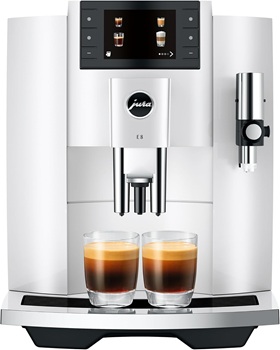
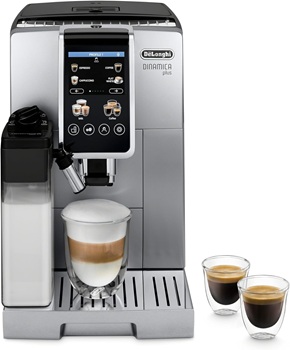
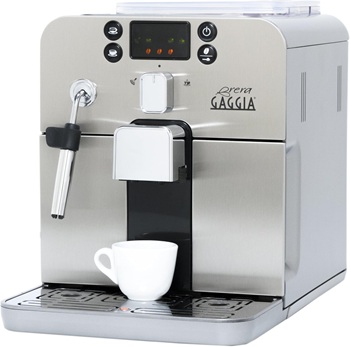
| Jura E8 | De’Longhi Dinamica Plus | Gaggia Brera |
 |
 |
 |
In recent years, super-automatic espresso machines have evolved significantly. Modern models now feature advanced brewing technologies, precision grinders, customizable drink profiles, and automated milk systems capable of producing café-style microfoam. Brands like Jura, De’Longhi, and Gaggia continue to push innovation, narrowing the gap between convenience-driven machines and traditional semi-automatic setups. For home users willing to invest $1,000 or more, today’s top super-automatic machines deliver impressive flavor clarity, extraction consistency, and long-term reliability.
In this guide, we break down the best super-automatic espresso machines for home use, focusing on real-world performance, value, and usability. Whether you’re looking for the best overall machine, the best value for money, or the best budget-friendly option, this article will help you make a confident, well-informed decision.
What Is a Super Automatic Espresso Machine?
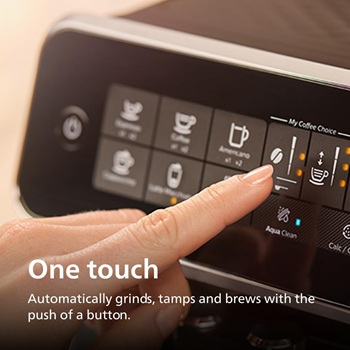
A super automatic espresso machine is an all-in-one coffee maker designed to deliver café-quality espresso drinks with minimal user effort. From grinding the beans to brewing the espresso and even frothing milk, these machines handle nearly every step automatically. With the push of a single button, you can make drinks like espresso, cappuccino, latte, or flat white, making them especially popular for home users who value convenience and consistency.
How It Differs From Other Espresso Machines
Compared to semi-automatic machines, super automatics remove much of the hands-on process. Semi-automatic espresso machines require you to grind beans separately, dose and tamp the coffee, control the brewing time, and often froth milk manually. While this offers more control and can appeal to enthusiasts, it also demands skill and practice. Super automatic machines, by contrast, automate these steps, making them far more beginner-friendly.
Compared to capsule machines, super automatic espresso machines use freshly ground whole beans rather than pre-packaged pods. Capsule machines are extremely convenient but limit drink customization and often produce espresso with less depth and aroma. Super automatics offer better freshness, more adjustable settings (grind size, strength, temperature), and long-term cost savings since whole beans are cheaper than capsules.
Key Features of Super Automatic Espresso Machines
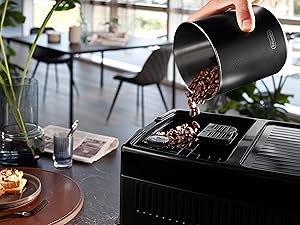
Built-in Grinder: These machines grind whole coffee beans immediately before brewing, preserving freshness and aroma. Many models allow you to adjust grind size and coffee strength.
One-Touch Brewing: With programmable buttons, you can make your favorite drinks consistently at the press of a button.
Automatic Milk Frothing: Integrated milk systems or steam wands automatically froth milk for cappuccinos and lattes, often with adjustable foam levels.
Pros and Cons of Super Automatic Machines
Pros:
- Extremely convenient and time-saving
- Consistent results with minimal effort
- Uses fresh whole beans
- Great for households with multiple coffee drinkers
Cons:
- Higher upfront cost
- Less hands-on control than semi-automatic machines
- Larger footprint on the countertop
- Requires regular cleaning and maintenance
Overall, super automatic espresso machines are ideal for home users who want high-quality espresso drinks without the learning curve or daily hassle.
How we chose the Best Super Automatic Espresso Machines
To identify the best super automatic espresso machines for home use, we evaluated each model using a consistent set of criteria focused on real-world performance, long-term ownership, and overall value. Our goal was to recommend machines that not only produce excellent coffee but are also reliable, easy to live with, and worth the investment.
Coffee Quality
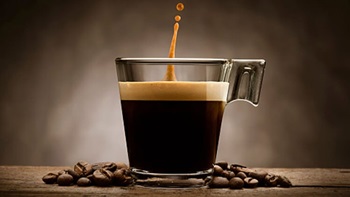
Coffee quality was our top priority. We assessed espresso extraction, looking for rich crema, balanced flavor, and proper pressure during brewing. We also considered temperature consistency, as water that is too hot or too cool can negatively affect taste. Machines that maintained stable brewing temperatures across multiple cups scored higher, especially those with adjustable temperature settings for different preferences.
Grinder Quality and Settings
Since super automatic machines grind beans fresh for every shot, the built-in grinder plays a critical role. We evaluated grinder type (ceramic vs. steel), consistency of the grind, noise level, and durability. Machines with multiple grind settings and strength adjustments ranked higher, as they allow users to fine-tune flavor based on bean type and roast level.
Milk System Performance
For milk-based drinks, we evaluated how well each machine steamed and frothed milk for beverages like cappuccinos and lattes. We looked for smooth, creamy microfoam, consistent milk temperature, and the ability to adjust foam levels. Machines with automatic milk systems that could handle both dairy and popular plant-based milks earned higher scores. We also considered how easily the milk system could be removed, cleaned, and stored, since poor milk hygiene can quickly affect performance and taste.
Ease of Use
Super automatic espresso machines are designed for convenience, so ease of use was a key factor. We evaluated the clarity of the control panel, menu navigation, and overall learning curve. Machines with intuitive touchscreens, clearly labeled buttons, and customizable drink profiles stood out. We also considered refill access for water, beans, and milk, as well as how seamlessly the machine handled tasks like adjusting drink strength or switching between beverages.
Cleaning and Maintenance
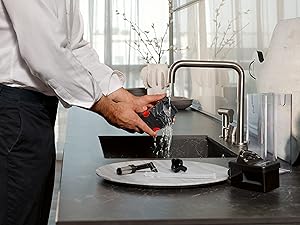
Regular cleaning is essential for consistent performance and machine longevity. We assessed how much daily and long-term maintenance each machine required, including automatic rinse cycles, descaling programs, and brew group accessibility. Machines with removable brew groups and dishwasher-safe components scored higher, as they simplify routine cleaning and reduce the risk of mechanical issues over time.
Build Quality and Durability
We examined the materials used in each machine, such as stainless steel versus plastic components, as well as overall fit and finish. Machines that felt solid, stable, and well-engineered ranked higher than those with flimsy housings or loose parts. Brand reputation and track record for reliability also played a role in our durability assessment.
Price vs. Value
Super automatic espresso machines vary widely in price, so we evaluated whether the features, performance, and build quality justified the cost. Higher-priced machines were expected to deliver superior coffee quality, more customization options, and longer durability. Budget-friendly models were judged on how well they performed relative to their price point rather than against premium machines.
Warranty and Customer Support
Finally, we considered warranty coverage and customer support, which are critical for complex appliances. Machines backed by longer warranties, readily available replacement parts, and responsive customer service earned higher marks. We also looked at brand support resources, such as troubleshooting guides, service networks, and software updates, to ensure long-term peace of mind for buyers.
How to choose a Super Automatic Espresso Machine
Super automatic espresso machines can vary significantly in price, features, and coffee quality. Understanding a few key factors will help you choose the right machine for your needs and budget.
Grinder Type and Quality
The grinder is one of the most important components in any super automatic espresso machine because it determines how consistently the coffee beans are ground before extraction.
Most machines use either ceramic burr grinders or stainless steel burr grinders. Ceramic grinders tend to run quieter and stay cooler during grinding, which helps preserve flavor. Steel grinders are extremely durable and often found in many premium machines.
More grind size settings give you greater control over flavor, especially if you experiment with different coffee beans or roast levels.
If you want to learn more about grinder differences, you can read our guide on different types of coffee grinders.
Milk Frothing System
If you enjoy milk-based drinks like cappuccinos or lattes, the milk system matters a lot. You might like to read our article on: How to choose your espresso drinks.
Super automatic machines typically use one of three milk systems:
- Automatic milk carafe systems: these systems automatically froth milk and dispense it directly into the cup. They are the most convenient option for making drinks like cappuccinos and lattes with one touch.
- Milk tube systems: some machines draw milk from an external container through a tube. These systems can produce excellent microfoam but require more cleaning.
- Manual steam wands: budget-friendly super automatics sometimes include a manual steam wand instead of an automatic milk system. These allow more control but require some practice.
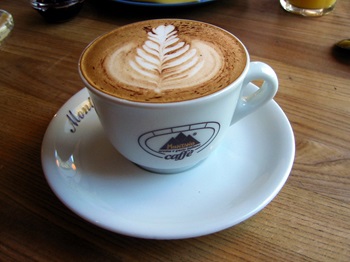
Drink Customization
One of the biggest advantages of fully automatic espresso machines is the ability to customize drinks.
Look for machines that allow you to adjust:
- Coffee strength
- Grind size
- Drink volume
- Brewing temperature
- Milk quantity and foam level
Higher-end machines often allow you to save personalized drink profiles, which is helpful in households where multiple people drink coffee.
Cleaning and Maintenance
Super automatic machines require regular cleaning to maintain performance and prevent scale buildup.
Most machines include automatic rinse cycles and descaling programs. Some also have removable brew groups, which makes it easier to clean internal components.
Machines with simpler milk systems are generally easier to maintain. If you want to learn how to properly maintain your machine, see our guide on how to clean and descale an espresso machine.
Machine Size and Kitchen Space
Super automatic espresso machines can take up significant counter space, especially premium models with large water tanks and milk systems.
Before buying, check:
- Machine width and height
- Water tank size
- Bean hopper capacity
Compact machines are better suited for smaller kitchens, while larger models are more convenient for households that make multiple drinks each day.
Budget and Long-Term Value
Super automatic espresso machines typically range from about $500 to over $3,000.
Entry-level machines offer simple espresso and manual milk frothing. Mid-range models add automatic milk systems and better customization. Premium machines provide advanced grinders, more drink options, and higher-end build quality.
If you drink coffee daily, investing in a reliable machine can save money compared to buying espresso drinks at a café.
Comparison of the Best Super Automatic Espresso Machines for Home Use
Below is a quick comparison of the best super automatic espresso machines for home use, including grinder type, milk system, and overall value.
| Machine | Image | Best For | Grinder | Milk System | Water Tank | Price |
| Jura E8 | |
Best Overall | AromaG3 Conical Burr Grinder | Automatic milk frothing system | 64 oz | |
| De’Longhi Dinamica Plus | |
Best Value | Stainless Steel Conical Burr Grinder | LatteCrema automatic milk system | 60 oz | |
| Philips 3200 LatteGo | 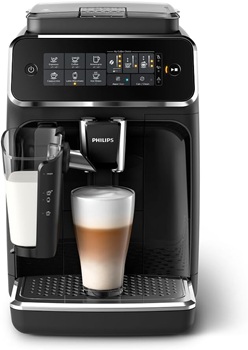 |
Best for Beginners | 100% Ceramic Burr Grinder | LatteGo milk system (no tubes) | 57 oz | |
| Jura Z10 | 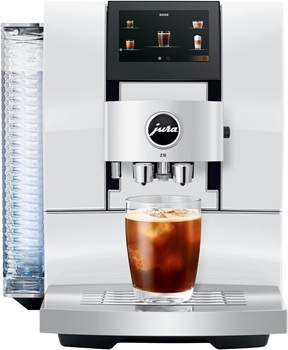 |
Best Premium | Product Recognizing Grinder(PRG) | Advanced automatic milk frothing system | 81 oz | |
| Gaggia Brera | |
Best Budget | Ceramic Burr Grinder | Manual steam wand | 40 oz | |
| De’Longhi Magnifica Evo | 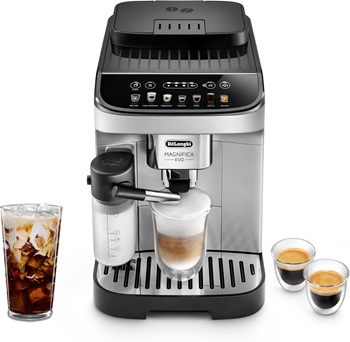 |
Best Compact | Conical Steel Burr Grinder | Manual milk frother | 60 oz |
1. Jura E8 – Best Overall
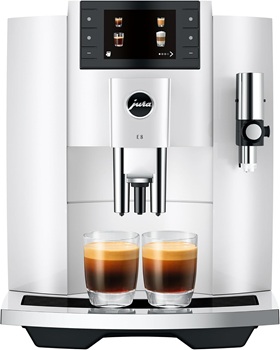
Pros and Cons
PROS
- Exceptionally balanced espresso with rich crema
- One-touch milk drinks with excellent consistency
- Very intuitive interface
- Premium build quality and long lifespan
CONS:
- Higher price point
- No manual milk wand
- Uses proprietary water filters and cleaning products
Key Features
- Grinder Type: AromaG3 conical burr grinder
- Drink Customization: Strength, volume, temperature, and milk ratio
- Milk System: Integrated milk frothing system with fine foam technology
- Water Tank Size: 64 oz (1.9 L)
- Ease of Cleaning: Automated rinsing and cleaning cycles
Performance and User Experience
- Espresso Quality: Smooth, aromatic, and well-extracted with minimal bitterness
- Milk Froth Quality: Silky microfoam, ideal for cappuccinos and lattes
- Noise Level: Quieter than most competitors
- Speed: Fast heat-up and brewing ideal for busy mornings
Testing Results
During testing, the Jura E8 delivered consistently flavorful espresso shots with excellent crema across multiple grind settings. Milk drinks were produced at the correct temperature with stable foam, even when preparing several drinks back-to-back.
Who It’s Best For
The E8 is perfect for home users who want café-quality espresso without manual effort. It suits households that drink both black coffee and milk-based drinks regularly and want premium results with minimal learning curve.
Value for Money
While it’s not cheap, the Jura E8 (view on Amazon) justifies its price through consistent performance, durability, and taste quality. It’s a long-term investment rather than a short-term appliance.
Warranty
The limited warranty covers your new JURA Automatic Coffee Machine for two years or up to 6,000 coffee brewing, whichever comes first.
You might like to read our in-depth review of Jura E8.
2. De’Longhi Dinamica Plus – Best Value for Money
Pros and Cons
PROS
- Excellent balance of features and price
- Touchscreen with guided drink selection
- Reliable LatteCrema milk system
- Wide drink variety
CONS:
- Plastic-heavy exterior
- Milk foam slightly airy compared to Jura
- App connectivity can be inconsistent
Key Features
- Grinder Type: Stainless steel conical burr grinder
- Drink Customization: Strength, temperature, volume, milk amount
- Milk System: LatteCrema automatic milk frothing system
- Water Tank Size: 60 oz (1.8 L)
- Ease of Cleaning: Removable brew unit, dishwasher-safe parts
Performance & User Experience
- Espresso Quality: Bold and flavorful, especially with medium roasts
- Milk Froth Quality: Creamy, slightly lighter foam
- Noise Level: Moderate grinder noise
- Speed: Quick drink preparation
Testing Results
In testing, the Dinamica Plus performed reliably across espresso, latte, and cappuccino settings. Drink temperatures were consistent, and customization settings were easy to replicate for repeat use.
Who It’s Best For
Ideal for users who want premium features without paying Jura prices. Great for families or couples who enjoy a wide range of drinks.
Value for Money
Outstanding. De’Longhi Dinamica Plus (view on Amazon), you get touchscreen controls, automatic milk frothing, and solid espresso quality at a mid-range price point.
Warranty
De’Longhi Group warrants each product to be free from defects in material and workmanship. From the purchase date, the warranty is to provide two years free parts and labor on the entire unit.
You might like to read our in-depth review of De’Longhi Dinamica Plus .
3. Philips 3200 LatteGo – Best for Beginners
Pros and Cons
PROS
- Extremely easy to use
- LatteGo milk system is simple and mess-free
- Affordable entry point
- Minimal maintenance
CONS:
- Limited drink customization
- Espresso lacks depth for advanced users
- Basic display
Key Features
- Grinder Type: 100% ceramic burr grinder
- Drink Customization: Strength and volume
- Milk System: LatteGo milk system (no tubes)
- Water Tank Size: 57 oz (1.7 L)
- Ease of Cleaning: Very easy; milk system rinses in seconds
Performance & User Experience
- Espresso Quality: Smooth but lighter-bodied
- Milk Froth Quality: Consistent, slightly airy
- Noise Level: Moderate
- Speed: Fast and beginner-friendly
Testing Results
Our testing showed consistent drink output with minimal learning curve. The LatteGo system stood out for ease of cleaning and everyday convenience.
Who It’s Best For
Perfect for first-time super automatic buyers who want convenience and reliability without complexity.
Value for Money
Excellent value for beginners. Philips 3200 LatteGo (view on Amazon) delivers reliable performance at a budget-friendly price.
Warranty
The warranty is valid for 2 years from the date the product was purchased from an authorized dealer located within the United States, against defects in materials and workmanship when used in accordance with the user manuals and technical specifications. Proof of purchase must be rendered to validate warranty coverage (receipt or purchase invoice).
You might like to read our Philips 3200 LatteGo full review.
4. Jura Z10 – Best Premium
Pros and Cons
PROS
- Exceptional build quality
- Hot and cold brew espresso options
- Advanced grinder with automatic adjustment
- Extremely refined taste
CONS:
- Very expensive
- Large footprint
- Overkill for casual users
Key Features
- Grinder Type: Product Recognizing Grinder (PRG)
- Drink Customization: Extensive – temperature, strength, grind, milk
- Milk System: Advanced automatic milk frothing
- Water Tank Size: 81 oz (2.4 L)
- Ease of Cleaning: Fully automated maintenance
Performance & User Experience
- Espresso Quality: Among the best available in home machines
- Milk Froth Quality: Dense, café-level foam
- Noise Level: Surprisingly quiet
- Speed: Fast despite complexity
Testing Results
The Z10 produced outstanding espresso across multiple bean types, including cold brew. Performance remained consistent even during high-volume testing.
Who It’s Best For
Perfect for coffee enthusiasts who want no compromises and are willing to pay for top-tier performance.
Value for Money
Expensive, but unmatched in technology and consistency. Jura Z10 (view on Amazon) is worth it if budget isn’t a concern.
Warranty
The limited warranty covers your new JURA Automatic Coffee Machine for two years or up to 6,000 coffee brewing, whichever comes first.
You might like to read our Jura Z10 full review.
5. Gaggia Brera – Best Budget
Pros and Cons
PROS
- Affordable
- Compact design
- Manual steam wand for control
- Simple interface
CONS:
- Small water tank
- No automatic milk system
- Louder operation
Key Features
- Grinder Type: Ceramic burr grinder
- Drink Customization: Basic strength and volume
- Milk System: Manual steam wand
- Water Tank Size: 40 oz (1.2 L)
- Ease of Cleaning: Removable brew group
Performance & User Experience
- Espresso Quality: Strong and traditional
- Milk Froth Quality: Depends on user skill
- Noise Level: Loud grinder
- Speed: Moderate
Testing Results
The Brera delivered bold espresso shots but required manual effort for milk drinks. Ideal for simple daily use.
Who It’s Best For
Best for budget-conscious users who still want freshly ground espresso.
Value for Money
Gaggia Brera (view on Amazon) is one of the best entry-level super automatics available.
Warranty
1-year parts and labor warranty from the date of purchase, covering manufacturer defects. Coverage: Repairs or replacement parts for defects in materials or workmanship. Exclusions: Normal wear items (gaskets, filters, screens), improper maintenance (scale build-up), misuse, or unauthorized repairs.
You might like to read our detailed review of Gaggia Brera
6. De’Longhi Magnifica Evo – Best Compact
Pros and Cons
PROS
- Compact footprint fits easily on small countertops
- Consistent espresso with rich crema
- One touch drink buttons are intuitive
- Removable brew unit simplifies maintenance
CONS:
- Milk system is less advanced than premium models
- Smaller water tank requires more frequent refills
Key Features
- Grinder Type: Integrated conical steel burr grinder with multiple grind settings
- Drink Customization: Adjustable strength, temperature, and cup size
- Milk System: manual frother for creating manual, barista-style milk foam
- Water Tank Size: 60 oz (1.8 L)
- Ease of Cleaning: Automatic rinse cycles, removable brew group, dishwasher safe parts
Performance & User Experience
- Espresso Quality: Aromatic and flavorful, especially with medium roasts
- Milk Froth Quality: Creamy, slightly lighter foam
- Noise Level: Moderate grinder noise
- Speed: Quick drink preparation
Testing Results
In our testing, the Magnifica Evo produced consistently hot espresso with balanced flavor and impressive crema across multiple grind and strength settings.
Who It’s Best For
The Magnifica Evo is ideal for users who want a true bean to cup espresso experience in a compact, no frills machine that doesn’t dominate counter space.
Value for Money
For its price, the De’Longhi Magnifica Evo (view on Amazon) delivers excellent espresso quality and reliable performance in a smaller form factor. 7 one-touch customized coffee drinks: espresso, cappuccino, latte macchiato, iced coffee, coffee, hot water, and My Latte. It offers a strong balance of automation, build quality, and simplicity without pushing into premium pricing.
Warranty
De’Longhi Group warrants each product to be free from defects in material and workmanship. From the purchase date, the warranty is to provide two (2) years free parts and labor on the entire unit.
You might like to read our in-depth review of De’Longhi Magnifica Evo.
Recap: Our Top Pick for The Best Superautomatic Espresso Machines
Jura E8 – Best Overall
The Jura E8 consistently ranks as the best overall super-automatic espresso machine for home use, especially for coffee enthusiasts who prioritize flavor quality, convenience, and long-term reliability.
Jura’s proprietary Pulse Extraction Process (P.E.P.) ensures optimal extraction for espresso and short coffee drinks, resulting in rich aroma, complex flavor, and a thick, velvety crema. The E8 is equipped with the Aroma G3 grinder, which delivers fast, precise grinding while preserving bean integrity. With a wide selection of one-touch specialty drinks including espresso, cappuccino, flat white, and latte macchiato.
Its advanced milk system produces smooth, consistent microfoam ideal for milk-based drinks. The intuitive color display, extensive drink customization, and automated cleaning programs further elevate the user experience.
While positioned in the premium price tier, the Jura E8 justifies its cost with exceptional build quality, consistent performance, and café-level results, making it the top choice for serious home baristas.
De’Longhi Dinamica Plus – Best Value
The De’Longhi Dinamica Plus stands out as the best value super-automatic espresso machine for home users seeking premium features without paying top-tier prices. It combines strong espresso performance with modern convenience, including a responsive touchscreen and smartphone app integration for advanced drink customization.
De’Longhi’s LatteCrema system is a major highlight, delivering dense, creamy milk foam with excellent temperature stability for cappuccinos and lattes. The built-in conical burr grinder offers multiple grind settings, allowing enthusiasts to fine-tune extraction based on bean type and roast level.
Espresso quality is consistently well-balanced, with good body and crema that rivals more expensive machines. Maintenance is also streamlined, thanks to automatic rinse cycles and a removable brew group.
For buyers looking to maximize performance, features, and ease of use in the $1,000–$1,500 range, the Dinamica Plus offers exceptional value and everyday versatility.
Gaggia Brera – Best Budget
The Gaggia Brera is widely regarded as one of the best budget super-automatic espresso machines for home use, offering authentic Italian espresso at a more accessible price point.
Despite its compact size and entry-level positioning, the Brera features a ceramic burr grinder, which ensures consistent grinding and preserves coffee flavor by minimizing heat buildup.
Espresso output is bold and flavorful, making it a strong choice for enthusiasts who value traditional espresso profiles.
The Brera forgoes automated milk systems in favor of a classic manual steam wand, appealing to users who enjoy hands-on milk frothing and greater control.
Its straightforward interface, durable stainless steel front panel, and front-loading water and waste containers make it especially suitable for smaller kitchens.
While it lacks the advanced drink menus of higher-end machines, the Gaggia Brera delivers reliable espresso performance and build quality that exceed expectations for its price, making it the best budget option in the super-automatic category.
FAQs
Is it worth buying a super automatic espresso machine?
Many of us who enjoy fine espresso drinks will certainly appreciate the taste of drinks brewed from the freshest beans. Super Automatic Espresso Machines will produce great tasting coffee drinks, as good as or better than your local barista in the comfort of your home in a minute or less. You can make your drink exactly the way you want it and be able to reproduce several specialty drinks quickly and automatically at the push of a button!
In the bad old days you had to be an expert in several skills to make an excellent espresso drink. Now the machines have the mastery of those skills built in and adding or modifying programs/drinks is quick and easy.
The pandemic has made the home office a key part of our lives, and we spend more time with family and close friends or business associates. So having the ability to produce excellent coffee-shop drinks at home or your office can really improve the quality of your life. If you are shopping for a fully automated espresso machine for your office (20 people), check out: our top recommended espresso machine for office use.
Although a super automatic espresso machine will set you back a few bucks, you may easily find that the money and time saved by skipping trips to your favorite coffee house and the convenience of having your favorite drinks fresh at hand make purchasing an automatic espresso machine super attractive.
Check out our complete guide to Are Superautomatic Espresso Machines Worth It Home Use?
Can super automatic espresso machines make good espresso?
Super automatic espresso machines can make good or even great espresso. The great news is that these espresso machines automate the entire process, starting with whole beans and ending in a delicious cup of espresso. Maintenance on a super automatic machine can, on occasion, seem burdensome. The manufacturers of these fine machines have spent a lot of engineering effort to ease and reduce maintenance. This should be an important consideration for your purchase.
A skilled barista with a manual or semi-automatic espresso machine may be able to control the process to their own taste to produce a superior espresso drink. However, super automatic espresso machines are vastly improved and can generally capture your entire process to personalize your cup. You should consider the degree to which you want personalization of your drink and ensure that a super automatic machine will allow you to control parts of the process critical to you.
But the main benefit of super automatic espresso machines is that they will produce an excellent cup of espresso with the simple push of a button.
How long should a super automatic espresso machine last?
Typically, one would expect a super automatic espresso machine to last at least 10 years.
The brew groups and milk circuits of these top-of-the-line machines increasingly are designed to be self-cleaning and easily removable from the machine.
These machines are being designed with reliability as a goal. Of course, expected service life depends on the manufacturer and model of the machine, your usage patterns, and the maintenance you perform. The good news is that maintenance is getting easier as espresso machine designs improve and more commercial quality parts are making into home machines.
What kind of coffee do you put in an espresso machine?
Typically, you would use dark, espresso, or French roast beans. Although a wide variety of beans will work depending on your taste.
Oily beans and flavored beans may clog the grinder or other parts in the brewing path. Many machines will allow you to use already ground beans, which may be a great option if you really want that one cup of flavored coffee.
How many bars of pressure is good for espresso?
Espresso literally means coffee brewed under pressure. 9 Bars generally the gold standard, with a range of 8-9 bars. Although many machines will go up to 15 bars, that can lead to over extracted espresso that tastes very bitter.
Can a super automatic espresso machine also make drip coffee?
Generally, automatic espresso machines will not make drip coffee. Some premium machines will have drip capabilities; they are essentially two coffee machines in one, and you might be better off by simply having a separate drip machine.
If your espresso machine does not have a water filter, do you need to get one?
The answer is likely “Yes”. It depends on the quality of water you have coming to the machine. Some communities have great water without off-taste or scale producing chemicals, but such fine water quality is the exception rather than the rule, and the quality of your water can have a huge effect on the quality of your coffee. Thus, a built in or added water filter is often a great investment. It can also reduce de-scaling maintenance.
How do you maintain an espresso machine?
Maintenance is important for coffee taste and the long-life of your machine. The manufacturers know their machines and engineering the best, so follow their recommendations. Keep the brew group and milk circuit clean. The good news here is that manufacturers are constantly making improvement in automating maintenance, such as milk circuits that are automatically flushed with hot water after each use.
How often should you descale an espresso machine?
Make sure you follow the manufacturer’s recommendations. Many machines will automatically track maintenance schedules for you and prompt you or help you perform the maintenance. Typically, descaling should be scheduled about once a month, with recommendations ranging from every 3 weeks to bi-monthly. Of course, the answer depends on the quality of your water, your maintenance diligence, and the number of drinks you’ve made.