Hey there, coffee lovers!
If you’ve just invested in a home espresso machine (awesome choice, by the way!), you might be wondering: Which coffee beans should I actually use? The good news? There’s no “one right answer”. It’s all about matching the roast to your drink and taste preferences. Let’s break it down!
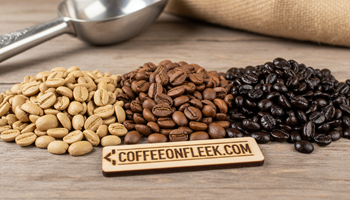
Understanding the Roast Spectrum
Coffee beans are typically categorized into three main roast levels:
Light Roasts have that bright, acidic, fruity character. The beans are heated until just after their “first crack”, a popping sound that happens during roasting. These beauties retain more of the bean’s origin flavors.
Medium Roasts hit that sweet spot between origin characteristics and caramelized sweetness. They’re heated a bit longer, creating more body while keeping some brightness.
Dark Roasts are roasted the longest, resulting in bold, smoky, sometimes chocolatey or bitter notes. The roasting process itself becomes the dominant flavor.
Matching Roasts to Your Favorite Drinks
Espresso
Here’s a common misconception: you don’t need “espresso roast” for espresso! That said, medium to dark roasts are traditional favorites because they cut through milk beautifully in lattes and cappuccinos. However, specialty third-wave roasters are crushing it with light roast espressos that are bright and complex.
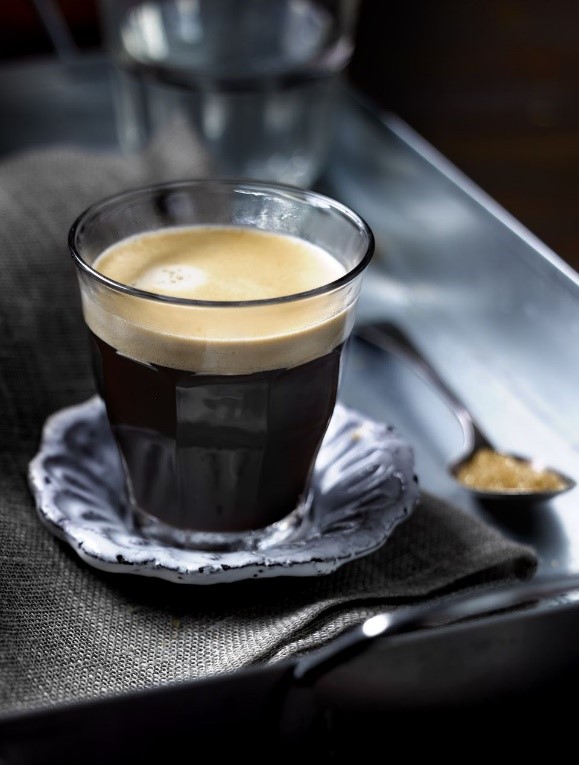
Pro tip: Experiment! Your espresso machine is your playground.
Americanos
Light to medium roasts shine here! Since you’re diluting with hot water, a lighter roast’s complexity and acidity won’t get lost.
Lattes & Cappuccinos
Medium to dark roasts are the crowd-pleasing choice. They create rich crema and stand up to steamed milk without disappearing into the cup.
Flat Whites
A slightly lighter medium roast works beautifully. You want to taste the espresso alongside the velvety milk.
Macchiatos
Go darker! With just a dollop of milk, you want bold espresso flavor to shine through.
The Golden Rule: Freshness Matters Most
Here’s something even more important than roast level: freshness. Coffee is at its peak 1-2 weeks after roasting. Check the roast date on your bag, not the expiration date, and buy accordingly. A perfectly roasted bean becomes “tired” over time.
Look for bags that clearly display the roast date. Your local specialty roasters are often your best bet for consistently fresh beans.
Tips for Success with Your Home Espresso Machine
- Buy whole beans and grind just before brewing. Pre-ground coffee loses flavor quickly.
- Start with a quality grinder. No espresso machine can work without one! Your grinder is just as important as your machine.
- Keep notes. on what you try. Jot down the roast level, origin, and how you liked it.
- Don’t fear the dark roasts. They’re forgiving for beginners and consistently delicious.
- Ask your roaster for recommendations. They know their beans better than anyone and often have samples you can try.
The Bottom Line
Your home espresso machine is an investment in your morning ritual. Whether you choose light, medium, or dark roasts, the best bean is the one you enjoy. Start exploring, experiment with different roasters, and discover your personal favorite.
The beautiful part about having an espresso machine at home? You can try new beans whenever you want without the coffee shop markup. That’s a win-win!
Ready to perfect your espresso setup? Check out our collection of home espresso machines designed for every skill level. Happy brewing!