Harvard researchers find moderate coffee consumption linked to 18% lower dementia risk
If you need another reason to savor your morning brew, new research from Harvard and Mass General Brigham has some good news: your daily coffee habit may be quietly protecting your brain.
A landmark 43-year study published in JAMA examined data from over 131,000 nurses and health professionals, tracking their coffee consumption and cognitive health over decades. The results? Moderate coffee drinkers showed an 18% lower risk of developing dementia compared to those who rarely or never drank coffee.
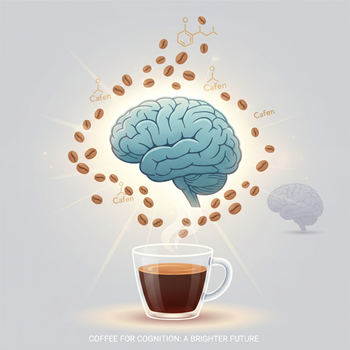
The Sweet Spot: 2-3 Cups Daily
The research identified an optimal range for maximum benefits:
- 2-3 cups of caffeinated coffee per day, or
- 1-2 cups of tea daily
“When searching for possible dementia prevention tools, we thought something as prevalent as coffee may be a promising dietary intervention,” explained Dr. Daniel Wang, the study’s senior author. “Our unique access to high quality data through studies spanning more than 40 years allowed us to follow through on that idea.”
You might also like to read: Health benefits of coffee.
More Than Just a Wake-Up Call
Beyond dementia prevention, regular caffeine consumers showed:
- Lower rates of subjective cognitive decline
- Better performance on objective cognitive tests
- Protection against cognitive decline over time

Notably, these benefits held true regardless of genetic predisposition to dementia, meaning coffee’s brain-boosting potential appears universal.
What Makes Coffee Special?
The key player? Caffeine. When researchers compared caffeinated coffee to decaffeinated varieties, only the caffeinated versions showed protective effects. Coffee and tea’s polyphenols, powerful antioxidants, work alongside caffeine to reduce inflammation and limit cellular damage linked to cognitive decline.
“We also compared people with different genetic predispositions to developing dementia and saw the same results,” noted lead researcher Yu Zhang, “meaning coffee or caffeine is likely equally beneficial for people with high and low genetic risk.”
You might also like to read: Coffee Intake May Slow Cellular Aging.
Part of a Bigger Picture
While the findings are encouraging, researchers emphasize this isn’t a silver bullet. “The effect size is small and there are lots of important ways to protect cognitive function as we age,” Dr. Wang cautioned. “Our study suggests that caffeinated coffee or tea consumption can be one piece of that puzzle.”
With current dementia treatments offering only modest benefits after symptoms appear, the focus on prevention through lifestyle factors like diet has never been more important.
The Bottom Line
Your morning coffee ritual just gained another benefit. While moderate caffeine consumption alone won’t prevent dementia. This groundbreaking long-term research suggests it’s a simple, enjoyable way to support your brain health as you age, one cup at a time.
The study analyzed data from the Nurses’ Health Study and Health Professionals Follow-Up Study, with participants tracked for up to 43 years and 11,033 dementia cases documented during the research period.