Coffee On Fleek

The Best Coffee Stop on the Internet

  • Coffee On Fleek
  • Top Espresso Machines
    • Super Automatic Espresso Machines
    • Home Espresso Machines
    • Semi-Automatic Espresso Machines
    • Best Fully Automated Espresso Machine for Office Use
    • Commercial Espresso Machines
    • Best Italian Espresso Machines
    • Espresso Machines Tested
  • By Brand
    • Gaggia Reviews
      • Gaggia Brera Super Automatic Espresso Machine Review
      • Gaggia Babila Espresso Machine Review
      • Gaggia Anima Prestige vs. Deluxe vs Super
      • Gaggia Cadorna Prestige vs Milk vs Barista Plus
      • Gaggia Cadorna Prestige Super Automatic Espresso Machine review
      • Gaggia 1003380 Accademia Espresso Machine Review
      • Gaggia RI8263/47 Velasca Prestige Espresso Machine Review
      • Gaggia Anima Prestige Super Automatic Espresso Machine Review
      • Gaggia Anima Deluxe Coffee and Espresso Machine Review
      • Gaggia Anima Coffee and Espresso Machine Review
    • Delonghi Reviews
      • De’Longhi Magnifica Evo Automatic Espresso & Coffee Machine Review
      • De’Longhi ECAM35020W Dinamica Automatic Coffee & Espresso Machine Review
      • De’Longhi La Specialista Espresso Machine Review
      • Delonghi Eletta ECAM45760B Super Automatic Espresso Machine
      • DeLonghi ESAM3300 Magnifica Super-Automatic Espresso Coffee Machine Review
      • DeLonghi ECAM22110SB Compact Automatic Cappuccino, Latte and Espresso Machine Review
      • DeLonghi ECAM23260SB Magnifica Smart Espresso Maker
      • DeLonghi ECAM28465M Prima Donna Espresso Machine Review
      • DeLonghi ESAM3500.N Magnifica Digital Super-Automatic EspressoCoffee Machine Review
      • Delonghi ESAM5500B Perfecta Digital Super Automatic Espresso Machine Review
      • Delonghi ECAM23210SB Super Automatic Coffee Machine Review
      • DeLonghi Magnifica S ECAM23460S Digital Super Automatic Machine with Lattecrema System Review
      • DeLonghi Lattissima en550 Espresso Machine Review
      • DeLonghi EC702 15-bar pump Espresso Machine Review
      • DeLonghi EC680M Dedica 15-bar pump Espresso Machine Review
      • De’Longhi Nespresso Lattissima Pro Espresso Machine Review
    • Jura Reviews
      • Jura GIGA 6 review
      • Jura D6 Review
      • Jura E8 Review
      • Jura WE8 Review
      • Jura Impressa C65 Review
      • Jura Impressa XS90 One Touch Automatic Review
      • Jura J95 Carbon One Touch Review
      • Jura Giga W3 Professional Review
      • Jura GIGA 5 Review
      • Jura Impressa Z9 One Touch TFT Review
      • Jura Z6 Machine Review
      • Jura Impressa J9 One Touch TFT Review
      • Jura Impressa F50 Review
      • Jura Impressa F8 TFT Review
      • Jura Impressa C60 Automatic Review
      • Jura Impressa A9 One Touch Review
      • Jura ENA Micro 9 One Touch Review
      • Jura Impressa F7 Espresso Machine Review
      • Jura C9 One Touch Automatic Review
      • Jura Giga X7 Professional Review
      • Jura ENA Micro 1 Automatic Review
      • Jura Impressa XJ9 Automatic Coffee Machine Review
    • Saeco Reviews
      • Saeco HD8927/47 PicoBaristo Super Automatic Espresso Machine Review
      • Saeco Xelsis SM7684/04 Super Automatic Espresso Machine Review
      • Saeco HD8924/47 PicoBaristo Automatic Milk Frother Espresso Machine Review
      • Saeco Xsmall Vapore HD8645/47 Superautomatic Espresso Machine Review
      • Saeco Intelia Deluxe Cappuccino HD8771/93 Superautomatic Espresso Machine Review
      • Saeco HD8930/47 Royal One Touch Cappuccino Automatic Espresso Machine Review
      • Saeco HD8917/47 Incanto Carafe Super Automatic Espresso Machine Review
      • Saeco HD8911/47 Incanto Classic Milk Frother Espresso Machine Review
      • Saeco Exprelia Evo HD885747 Super-automatic Espresso Machine Review
      • Saeco Intelia Deluxe HD8759/47 Superautomatic Espresso Machine Review
      • Saeco Pure HD8765/47 Superautomatic Espresso Machine Review
      • Saeco Intelia Cappuccino HD8753/87 Superautomatic Espresso Machine Review
      • Saeco Royal Cappuccino HD8930/01 Superautomatic Espresso Machine Review
    • Breville Reviews
      • Breville Barista Express vs Express Pro vs Express Impress
      • Breville Oracle Touch Espresso Machine Review
      • Breville BES980XL Oracle Review
      • Breville BES920XL Dual Boiler Review
      • Breville BES870XL Barista Express Review
      • Breville BES500BSS Bambino Plus Espresso Machine Review
      • Breville BES840XL/A the Infuser Review
      • Breville ESP8XL Cafe Roma Review
    • Krups Reviews
    • Quick Mill Reviews
    • Miele Reviews
      • Miele CM 5000 Review
      • Miele CM 6310 Coffee System Review
      • Miele CM 6110 Coffee System Review
  • Top Cappuccino Machines
    • De’Longhi La Specialista Cappuccino machine
    • DeLonghi ECAM23260SB Magnifica Smart Cappuccino Maker
    • Breville BES870XL Barista Express
    • DeLonghi ESAM3300 Cappuccino Machine
    • Mr. Coffee Cafe Barista Cappuccino Maker
    • Nespresso Lattissima Pro by De’Longhi
    • Keurig K-Cafe Single Serve Cappuccino Maker
    • Breville BES920XL Cappuccino Maker
  • Best Coffee Grinders
    • Best Single-Dose Burr Coffee Grinders for Espresso
  • Contact Us
    • About Us
    • Contact Us
    • Affiliate Disclosure Policy
    • Privacy Policy
    • Disclaimer

July 11, 2023 By CoF Barista

What is espresso?

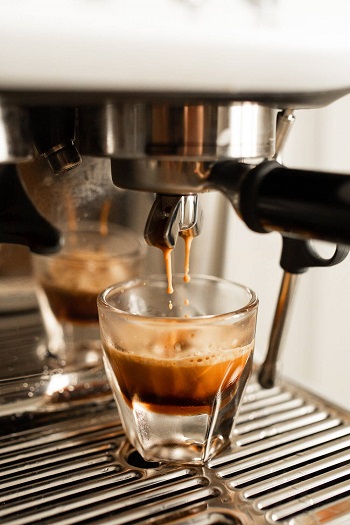
Espresso is a coffee drink made by forcing high pressure hot water through a tightly packed container (called the doser or porta filter) of finely ground coffee. This process yields a concentrated coffee beverage that is strong and flavorful. It also results in an espresso drink topped with “Crema,” which is a tasty foam that forms on top of the coffee.

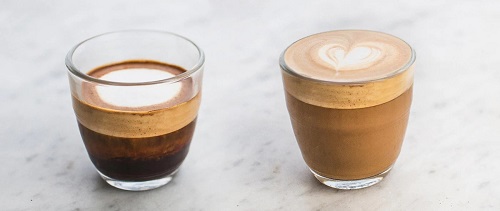
espresso-drinks-in-espresso-glasses
Image credit: Flickr

Espresso might be thought of as the national drink of Italy, where it is enjoyed daily at home, in cafés, and in restaurants. Espresso drinks can be made from any coffee bean; what makes espresso unique is the method of preparation and the fineness of the coffee grind.

Espresso originated in Italy where it is not only a beverage but an inherent part of the social fabric of the country. Espresso delivers a caffeine punch to the drinker; it’s consumed as a wake-up beverage first thing in the morning, like an energy drink during the day, and with meals.

Typically, espresso is served in small cups or glasses that hold only 1 to 2 ounces.

Even though these may resemble a shot glass, the proper way to drink espresso is to sip it–not to drink it all down at once. Espresso is usually consumed unsweetened, but it may be sweetened with sugar or other sweetener, and it may be consumed with a sweet biscuit like biscotti.

Espresso is typically consumed as a single shot (1 ounce) for a double shot (2 ounces). The double shot is called a doppio. Some espresso drinkers prefer a more dilute drink called a lungo (or long) espresso. The lungo is made with the same amount of coffee but with twice the water.

Specialty drinks

Over time, we have developed quite a set of espresso-based drinks that many espresso drinkers prefer.

cappuccino-is-an-espresso-drink
Image credit: Flickr

Coffeehouses have a rich menu of such drinks which helps attract customers. Some of these favorite drinks include:

  • Cappuccino – espresso topped with steamed, frothed milk — often decorated on top.
  • Caffe latte – a double shot of espresso topped with steamed milk.
  • Caffe Americano – a shot of espresso diluted with hot water.
  • Caffe Mocha – add chocolate to a latte.
  • Caffe Macchiato – espresso with a small amount of usually foamed milk (literally translates as “stained” or “marked” coffee.
  • Cortado – equal parts 1:1 ratio of espresso to steamed warm milk.

Since espresso is made from “normal” coffee beans but with a more extreme process of high-pressure water passed through very finely ground coffee, it should be no surprise that all the characteristics of coffee can be found in espresso. However, these tastes and characteristics are amplified by the process of making espresso as are the taste characteristics of your coffee.

Espresso and caffeine

Because of its strong distinctive flavor, espresso has earned a reputation of being high in caffeine, but that is not necessarily so. He single shot of espresso contains approximately the same amount of caffeine as a cup of coffee. The actual amount of caffeine delivered depends on the variety of coffee in the method by which it is brewed.

The acidity of espresso, like brewed coffee, depends on the roast of the beans you are using. Lighter roasts generally taste more acidic than darker roasts.

Buying espresso beans

Like with other coffees, you want to buy fresh roasted, whole, high-quality coffee beans. While these beans may be available from a number of sources, you may find the best results by developing a relationship with a local coffee bean supplier or grinder.

Best-coffee-beans

If you find a merchant that you trust and with whom you can develop a personal relationship, you are likely to be able to get the high-quality beans you want.

Storing espresso beans

Coffee beans are best stored in a cool dark place. There is a debate as to whether it’s best that they be stored in the freezer or not. Some people feel that storing them in a freezer result in the beans picking up more water than they should have. Our personal experience is that freezer storage works well. We leave the beans in their heavy, original packaging, which seems to protect them from freezer or water damage.

Aficionados suggest that once the beans are opened, they have a relatively limited shelf life of one to two weeks. Again, our personal experience is that being stored well in the freezer will last longer than that.

Filed Under: Espresso Drinks

June 6, 2023 By CoF Barista

Espresso Machine vs Cappuccino Machine?

If you love espresso drinks, you might be considering whether to buy an espresso machine or a cappuccino machine. What is the difference between the two?

What is Espresso?

espresso

Espresso is a coffee drink made using high pressure hot water to extract a concentrated shot of coffee from finely ground coffee beans. This concentrated shot can either be consumed directly (as espresso) or used as the base for various espresso-based drinks, including cappuccinos.

What is Cappuccino?

cappuccino

Cappuccino is typically made by combining equal parts of espresso, steamed milk, and milk foam.

You might also like to read: Our blog on popular espresso-based drinks.

Espresso machines vs Cappuccino Machines

Espresso machines and cappuccino machines are both types of coffee makers, but they serve different purposes and offer different functionalities:

An espresso machine is designed specifically to brew espresso, a strong and concentrated coffee beverage.

It typically uses high pressure to force hot water through finely-ground coffee beans, resulting in a small shot of intense coffee.

Espresso machines often have features like steam wands or frothers to steam milk, which allows users to make various espresso-based drinks such as lattes, macchiatos, and cappuccinos. These machines may come in various types, including manual, semi-automatic, automatic, and super-automatic, offering different levels of control and convenience in the brewing process.

A cappuccino machine is a type of espresso machine that is specifically optimized for making cappuccinos. While it still brews espresso like a traditional espresso machine, a cappuccino machine usually has additional features tailored for creating frothy milk foam, which is a key component of a cappuccino.

Cappuccino machines often include built-in milk frothers or steam wands that make it easy to froth milk to the desired consistency for cappuccinos.

Some cappuccino machines may have preset or programmable settings for producing specific milk foam textures, making them convenient for users who prefer consistency in their cappuccinos.

Type of Espresso Machines

There are several types of espresso machines available in the market, catering to different preferences, budgets, and skill levels. Here are the main types of espresso machines:

Jura-15145-Automatic-Coffee-Machine

  1. Manual Espresso Machines: Also known as lever espresso machines, these require manual operation to create pressure and extract the espresso. They offer complete control over the brewing process but require a certain level of skill and experience to operate effectively.
  2. Semi-Automatic Espresso Machines: These machines automate the water flow, but the user needs to start and stop the extraction process manually. Users can control the shot length, making it easier to brew espresso consistently.
  3. Automatic Espresso Machines: Automatic machines control both the water flow and the extraction time, making the brewing process more convenient. Users can program the machine to dispense a specific amount of water for each shot, ensuring consistency in the espresso.
  4. Super-Automatic Espresso Machines: Super-automatic machines handle the entire espresso-making process, from grinding the coffee beans to frothing milk and dispensing the espresso. These machines are highly convenient and user-friendly, making them suitable for those who want an effortless brewing experience.
  5. Pod or Capsule Espresso Machines: These machines use pre-packaged coffee pods or capsules, eliminating the need for grinding and measuring coffee. They are incredibly convenient and easy to use, making them popular choices for home users who want a hassle-free espresso experience.
  6. Commercial Espresso Machines: Designed for high-volume environments like cafes and restaurants, these machines are robust, durable, and capable of producing numerous shots of espresso quickly. They often come in semi-automatic or automatic configurations.
  7. Single Boiler vs. Double Boiler vs. Heat Exchanger Machines: Espresso machines can have single boilers, double boilers, or heat exchangers. Single boiler machines use one boiler for both brewing espresso and steaming milk, which can be a bit slower when switching between tasks. Double boiler machines have separate boilers for brewing and steaming, allowing simultaneous operation. Heat exchanger machines use a single boiler with a heat exchanger to maintain different temperature levels for brewing and steaming.

You might also like to read: Our review on the best super-automatic espresso machines.

Type of Cappuccino Machines

Breville-Barista-Pro-espresso-machine-in-the-kitchen

Cappuccino machines, also known as espresso machines with milk frothers, come in various types to cater to different preferences and needs. Here are the main types of cappuccino machines:

  1. Steam Wand Espresso Machines: These machines have a built-in steam wand that allows users to froth milk manually. Steam wand machines are found in many entry-level and home espresso machines. They require some skill and practice to froth milk properly.
  2. Automatic Espresso Machines with Milk Frother: These machines have an automatic milk frother or steam wand that froths and steams milk with the press of a button. Users can adjust the milk froth density and temperature settings based on their preferences. These machines are suitable for those who want the convenience of automatic milk frothing.
  3. Semi-Automatic Espresso Machines with Steam Wand: Similar to steam wand espresso machines, these are semi-automatic machines where the user has control over the espresso shot extraction. The steam wand allows manual frothing of milk for cappuccinos. Users can customize the froth and temperature to create the desired milk texture.
  4. Pod or Capsule Cappuccino Machines: These machines use pre-packaged coffee pods or capsules and often come with a built-in milk frother. They are convenient and user-friendly, making it easy to prepare cappuccinos without the hassle of grinding coffee or manually frothing milk.
  5. Super-Automatic Espresso Machines with Integrated Milk Frother: Super-automatic cappuccino machines automate the entire process, including grinding coffee, brewing espresso, and frothing milk. They come with integrated milk frothers that can create creamy milk foam for cappuccinos and other milk-based drinks. Users can customize settings such as milk froth density, temperature, and coffee strength.
  6. Commercial Cappuccino Machines: These machines are designed for high-volume settings such as cafes and restaurants. They often come with multiple steam wands and large boilers to handle continuous milk frothing for a high number of cappuccino orders.

In summary, while both espresso machines and cappuccino machines can brew espresso, a cappuccino machine is specifically designed to facilitate the preparation of cappuccinos by including features for frothing milk, whereas an espresso machine may offer more versatility for brewing various espresso-based beverages beyond just cappuccinos.

You might also like to read: Our recent review on the best cappuccino machines.

Pros and Cons – Espresso Machines vs Cappuccino Machines

When choosing an espresso machine, consider your budget, desired level of control, and the volume of espresso you plan to make regularly. Each type of machine has its pros and cons, so it’s essential to select one that best fits your needs and preferences.

Pros of Espresso Machines

  1. Rich and Concentrated Coffee: Espresso machines produce a strong and concentrated shot of coffee with a rich flavor, often topped with a layer of crema.
  2. Versatility: Espresso machines can be used to make a variety of coffee beverages, including lattes, cappuccinos, Americanos, and more, depending on the machine’s features.
  3. Customization: Many espresso machines allow users to customize the brewing process, adjusting factors such as grind size, water temperature, and extraction time to achieve the desired flavor profile.
  4. Convenience: Having an espresso machine at home or in the office provides the convenience of making your favorite coffee beverages without the need to visit a coffee shop.
  5. Cost Savings: Over time, making espresso-based drinks at home can be more cost-effective than purchasing them from a coffee shop regularly.

Cons of Espresso Machines

  1. Cost: High-quality espresso machines can be expensive, and more feature-rich models may come with a higher price tag.
  2. Learning Curve: Achieving the perfect shot of espresso requires some skill and experimentation. Learning to use an espresso machine effectively may take time and practice.
  3. Maintenance: Espresso machines require regular cleaning and maintenance to ensure optimal performance. Neglecting maintenance can lead to issues with the machine and affect the quality of the coffee.
  4. Space Requirements: Some espresso machines, especially commercial or advanced home models, can be large and take up a significant amount of counter space.
  5. Initial Setup: Setting up an espresso machine and dialing in the right settings for your preferences can be a bit involved, especially for beginners.

Pros of Cappuccino machines

  1. Versatility: Cappuccino machines often come with additional features such as steam wands, allowing users to froth and steam milk. This versatility enables the preparation of various coffee beverages, including lattes, macchiatos, and other milk-based drinks.
  2. Customization: Many cappuccino machines allow users to customize the strength of the coffee, the amount of frothed milk, and the overall flavor to suit individual taste preferences.
  3. Convenience: Having a cappuccino machine at home or in the office provides the convenience of making a wide range of coffee beverages without the need to visit a coffee shop.
  4. Cost Savings: Over time, making cappuccinos and other espresso-based drinks at home with a cappuccino machine can be more cost-effective than purchasing them regularly from a coffee shop.
  5. Consistency: With practice, cappuccino machines allow for consistent results in terms of the coffee strength, milk texture, and overall beverage quality.
  6. Social Aspect: Owning a cappuccino machine can be a focal point for socializing, as it allows you to prepare and share specialty coffee drinks with friends and family.
  7. Quality Control: Cappuccino machines give users control over the entire coffee-making process, from choosing coffee beans to adjusting brewing and frothing parameters, ensuring a high level of quality and freshness.

Cons of Cappuccino machines

  1. Cost: High-quality cappuccino machines can be expensive, and more feature-rich models may come with a high price tag. This initial investment can be a significant factor for some individuals.
  2. Learning Curve: Using a cappuccino machine effectively, especially those with advanced features, may have a learning curve. Achieving the perfect froth and mastering various settings may take practice and experimentation.
  3. Maintenance: Cappuccino machines require regular cleaning and maintenance to ensure optimal performance and hygiene. Neglecting maintenance can lead to issues with the machine and affect the quality of the coffee.
  4. Space Requirements: Some cappuccino machines, especially larger or commercial models, can take up a considerable amount of counter space. This can be a drawback for those with limited kitchen space.
  5. Limited Mobility: Cappuccino machines are generally stationary appliances, which may be a drawback for those who prefer a portable or travel-friendly coffee-making option.
  6. Upkeep Costs: In addition to the initial purchase cost, there may be ongoing costs associated with maintaining and replacing parts of the machine, such as filters, gaskets, or other components.
  7. Complexity: Some advanced cappuccino machines with multiple features and settings may be too complex for users who prefer a straightforward and simple coffee-making experience.
  8. Single Functionality: While cappuccino machines excel at making specialty coffee drinks, they are primarily designed for espresso-based beverages. If someone prefers other types of coffee, the machine’s capabilities may be underutilized.

Summary: Should I buy an espresso machine or a cappuccino machine?

Delonghi-La-Specialista-on-kitchen-counter

Espresso machines or cappuccino machines can produce excellent drinks at the touch of a button. Which should you consider buying? Or, should you buy a machine at all?

Whether you should buy a machine at all is a complex question. How many espressos and/or cappuccinos do you plan on consuming? How much is the added convenience worth to you? See the section on these machines to detail some of the things you may want to consider.

If you are choosing between an espresso machine and a cappuccino machine, remember that cappuccino requires heated and frothed milk. You can make espresso and then use a separate milk frother to make cappuccino, but it is much more convenient to use a cappuccino machine to automate the steps involving milk with a cappuccino machine.

You might also like to read: Our in-depth comparison of the best De’Longhi Espresso Machines.

FAQ’s

Q1: Is Cappuccino just Espresso with milk?

Yes, a cappuccino is made with equal parts of espresso, steamed milk, and milk foam, distinguishing it from plain espresso.

Q2: Difference between Espresso and Americano

Espresso is a concentrated coffee brewed by forcing hot water through finely-ground coffee under high pressure. It is made from a specific blend of coffee beans and does not contain any added ingredients.

An Americano is made by diluting a shot of espresso with hot water. It consists of espresso and hot water, and the ratio of espresso to water can vary based on personal preference.

Q3: Difference between Cappuccino and Latte?

A cappuccino is made with equal parts of espresso, steamed milk, and milk foam. The ratio is typically 1/3 espresso, 1/3 steamed milk, and 1/3 milk foam.

A latte is made with one or two shots of espresso and steamed milk. It has a small amount of milk foam on top, usually a thin layer to preserve the creamy texture.

Filed Under: Espresso Drinks, Espresso Machine

June 6, 2023 By CoF Barista

Coffee grounds for plants

Coffee grounds can be a valuable source of organic matter and nutrients for plants.

When used properly and in moderation, coffee grounds can be a valuable addition to your garden, contributing to soil fertility and plant health.

Add-coffee-grounds-to-compost

What are coffee grounds?

Coffee grounds are the remnants of brewed coffee after the brewing process. They are the finely ground particles that are left behind in the coffee filter or coffee maker.

Coffee grounds are usually dark brown or black in color and have a rich, earthy aroma. They consist of the solid residues of coffee beans, which contain various organic compounds, oils, and nutrients.

They contain essential elements like nitrogen, potassium, and phosphorous that support healthy growth. Additionally, coffee grounds can improve soil structure, retain moisture, and promote beneficial microbial activity. However, it’s important to use them in moderation, as excessive amounts can alter soil pH levels.

You might also like to read: How to choose the best coffee beans?

How to compost coffee grounds?

Composting coffee grounds is a great way to recycle them and turn them into nutrient-rich compost for your plants. Here’s a step-by-step guide on how to compost coffee grounds:

compost-container

  1. Collect coffee grounds: Save your used coffee grounds in a container. You can accumulate them over a few days or weeks until you have enough to add to your compost pile.
  2. Prepare your compost pile or bin: Choose a suitable location for your compost pile or set up a compost bin in your backyard. Make sure it’s well-drained and has a good mix of browns (carbon-rich materials) and greens (nitrogen-rich materials).
  3. Add coffee grounds to the compost: When adding coffee grounds to your compost, it’s important to mix them with other compostable materials. Coffee grounds are considered green material, so balance them out with brown materials like dry leaves, straw, shredded newspaper, or cardboard. Aim for a ratio of roughly 3 parts brown materials to 1 part green materials.
  4. Mix and layer: Add a layer of brown material to your compost pile or bin, followed by a layer of coffee grounds. Repeat this layering process, alternating between browns and greens, until you’ve added all the coffee grounds and other compostable materials. Mixing or turning the compost pile occasionally helps with aeration and decomposition.
  5. Maintain moisture and airflow: Keep your compost pile moist, similar to a damp sponge. If it gets too dry, sprinkle some water to maintain the right moisture level. Ensure proper airflow by turning or mixing the compost periodically to prevent it from becoming compacted.
  6. Wait for composting to occur: Depending on various factors like temperature, moisture, and the mix of materials, composting can take several months to a year. During this time, microorganisms will break down the organic matter, including the coffee grounds, into rich, dark compost.
  7. Use the finished compost: Once the composting process is complete, the compost will be crumbly, dark, and have an earthy smell. You can then use this nutrient-rich compost to improve your garden soil, as a top dressing for plants, or as a component in potting mixes.

By following these steps, you can effectively compost coffee grounds and contribute to the recycling and repurposing of organic waste in your garden.

The many uses of coffee grounds in the garden

Coffee grounds have several uses in the garden beyond composting. Here are some common ways to utilize coffee grounds effectively:

  1. Fertilizer: Coffee grounds contain nitrogen, phosphorous, and potassium, which are essential nutrients for plant growth. Sprinkling coffee grounds around your plants or mixing them into the soil can provide a slow-release fertilizer that nourishes your plants over time.
  2. Soil amendment: Coffee grounds can improve soil structure and drainage. They add organic matter to the soil, enhancing its water-holding capacity and promoting aeration. Mix coffee grounds into the soil or incorporate them into compost to boost its nutrient content and overall quality.
  3. Pest deterrent: Coffee grounds have been found to repel certain garden pests like slugs, snails, and ants. Creating a barrier of coffee grounds around susceptible plants can discourage these pests from reaching them.
  4. Acid-loving plants: Coffee grounds are slightly acidic, making them ideal for plants that prefer acidic soil conditions. Acid-loving plants such as azaleas, rhododendrons, blueberries, and camellias can benefit from the pH-lowering effects of coffee grounds. Apply them as a mulch around the base of these plants.
  5. Vermicomposting: Coffee grounds are an excellent addition to vermicomposting systems. Red worms (Eisenia fetida), commonly used in vermicomposting, thrive on coffee grounds and produce nutrient-rich worm castings, or vermicompost, which can be used as a potent fertilizer.
  6. Seed germination: Coffee grounds can aid in seed germination by providing a loose, well-draining medium. Mixing coffee grounds with seed-starting mix or sprinkling them lightly on top of the soil can help improve germination rates for certain seeds.
  7. Indoor plant care: Indoor plants can benefit from coffee grounds as well. Adding coffee grounds to potting soil can improve its structure and water retention. However, be cautious not to overdo it, as excessive amounts of coffee grounds can lead to over-acidity.

Remember to use coffee grounds in moderation and consider the specific needs of your plants. It’s always a good idea to observe how your plants respond and make adjustments accordingly.

Are coffee grounds good for plants?

Yes, coffee grounds can be beneficial for plants when used appropriately. Here are some reasons why coffee grounds are considered good for plants:

How-to-compost-coffee-grounds

  • Nutrient source: Coffee grounds contain essential nutrients like nitrogen, phosphorus, potassium, calcium, and magnesium. These nutrients are important for plant growth and development. When added to the soil, coffee grounds can provide a slow-release source of nutrients, enriching the soil and benefiting plants.
  • Organic matter: Coffee grounds are rich in organic matter, which improves soil structure and fertility. Organic matter helps to retain moisture in the soil, promotes aeration, and supports the growth of beneficial soil microorganisms. This can enhance overall soil health and plant growth.
  • pH effect: Coffee grounds are slightly acidic, and some plants prefer acidic soil conditions. Acid-loving plants like azaleas, rhododendrons, blueberries, and camellias can benefit from the pH-lowering effect of coffee grounds when used as a soil amendment around their base.
  • Pest repellent: Coffee grounds can act as a natural deterrent for certain pests. Slugs, snails, and ants, for example, are repelled by coffee grounds. Placing a barrier of coffee grounds around plants can help keep these pests away.

However, it’s important to note that coffee grounds should be used in moderation and with caution. Excessive amounts of coffee grounds can alter soil pH levels too much, potentially affecting plant health.

Additionally, some plants may not tolerate acidic soil conditions, so it’s crucial to consider the specific needs of your plants before applying coffee grounds.

You might also like to read: Does drinking coffee regularly have a positive effect on your health?

Are coffee grounds harmful to plants?

Coffee grounds are generally not harmful to plants when used in moderation and following proper guidelines. However, there are a few considerations to keep in mind:

  • pH levels: Coffee grounds are slightly acidic, and some plants may not tolerate highly acidic soil conditions. While acid-loving plants can benefit from coffee grounds, it’s important to avoid excessive application, which can significantly lower the pH of the soil beyond what is favorable for most plants.
  • Nitrogen imbalance: Coffee grounds are relatively high in nitrogen, which is an essential nutrient for plants. However, an excessive concentration of nitrogen can cause an imbalance and potentially harm plants. It’s crucial to use coffee grounds in moderation and ensure they are mixed with other compostable materials to maintain a balanced nutrient profile.
  • Moisture and compaction: Coffee grounds can retain moisture, which can be beneficial for plants, but excessive moisture retention can lead to waterlogging and root rot. It’s important to incorporate coffee grounds into the soil or mix them with other materials to prevent excessive compaction and improve drainage.
  • Fungal growth: Coffee grounds are organic materials that can promote fungal growth if directly applied to plant stems or foliage. It’s best to avoid direct contact with plant tissues to minimize the risk of fungal infections.

To avoid potential issues, it’s advisable to monitor the response of your plants when using coffee grounds and adjust the application accordingly.

Every plant is different, so it’s essential to consider the specific needs and preferences of your plants before using coffee grounds. If you notice any negative effects, such as leaf yellowing or stunted growth, it may be necessary to discontinue or reduce the use of coffee grounds.

Summary

Coffee grounds can be beneficial for plants when used properly. They contain nutrients and organic matter that can enhance soil fertility, improve moisture retention, and support beneficial microbial activity.

coffee-grounds-a-valuable-addition-to-your-gardening-routine

Coffee grounds can also provide a slight acidity that benefits acid-loving plants.

However, it’s important to use them in moderation and avoid excessive application, as high acidity or nitrogen levels can harm plants. Additionally, coffee grounds should not come into direct contact with plant tissues to prevent fungal growth. By following guidelines and observing plant responses, coffee grounds can be a valuable addition to your gardening routine.

FAQ’s

Q1: What plants like coffee grounds?

Coffee grounds are particularly favored by acid-loving plants that thrive in slightly acidic soil conditions. Some examples of plants that benefit from coffee grounds include azaleas, rhododendrons, blueberries, camellias, hydrangeas, and roses. These plants appreciate the acidity provided by coffee grounds and can thrive when the grounds are used as a soil amendment or incorporated into compost.

It’s important to monitor the plants’ response and adjust the application according to their specific needs, as individual plant preferences can vary

Q2: What plants don’t like coffee grounds?

Some plants are not particularly fond of coffee grounds due to their acidity or other characteristics. Plants that prefer alkaline soil conditions, such as asparagus, beets, spinach, geraniums, and marigolds, may not thrive with coffee grounds.

Additionally, plants that require well-draining soil, such as cacti, succulents, rosemary, and lavender, may be adversely affected by the moisture-retaining properties of coffee grounds.

Furthermore, young or sensitive plants may not tolerate the presence of caffeine found in coffee grounds. It’s essential to consider the specific needs and preferences of your plants and, if in doubt, perform a small-scale test before widespread application.

Q3: Can I compost coffee grounds with other food waste?

Yes, coffee grounds can be composted along with other food waste. Coffee grounds are considered a green or nitrogen-rich material, similar to fruit and vegetable scraps, tea leaves, and grass clippings.

To create a balanced compost pile, it’s important to mix coffee grounds with brown or carbon-rich materials such as dry leaves, shredded newspaper, or cardboard. The brown materials help maintain the carbon-to-nitrogen ratio necessary for proper composting.

By combining coffee grounds with other food waste and ensuring adequate aeration and moisture in the compost pile, you can effectively break down the organic matter and produce nutrient-rich compost for your plants.

Q4: Can I compost coffee grounds with lawn trimmings?

Yes, you can compost coffee grounds with lawn trimmings. Coffee grounds are considered a green or nitrogen-rich material, while lawn trimmings are typically categorized as a brown or carbon-rich material.

To create a balanced compost pile, it’s important to mix these materials in the right proportions. Aim for a ratio of roughly three parts brown materials (such as dry leaves, straw, or shredded newspaper) to one part green materials (like coffee grounds and lawn trimmings). This will provide the necessary carbon-to-nitrogen ratio for effective composting.

With proper aeration and moisture, the combination of coffee grounds and lawn trimmings can contribute to the production of nutrient-rich compost.

Q5: Can I compost coffee grounds with egg shells?

Yes, you can compost coffee grounds with eggshells. Both coffee grounds and eggshells are valuable additions to compost piles.

Coffee grounds provide nitrogen, while eggshells offer calcium and other minerals. When combined, they contribute to the nutrient profile of the compost.

coffee-grounds-egg-shells

To compost them together, crush the eggshells into smaller pieces to aid decomposition and mix them with coffee grounds. It’s beneficial to balance these materials with carbon-rich components, such as dry leaves or shredded paper, to maintain a proper carbon-to-nitrogen ratio. With proper composting conditions, including sufficient moisture and aeration, coffee grounds and eggshells can contribute to nutrient-rich compost for your plants.

You might also like to read: Does coffee stunt your growth?

Filed Under: health benefits of coffee

May 1, 2023 By CoF Barista

Holiday Drinks

If you have an espresso machine, you can use it to make some outstanding Christmas drinks without the expense of visiting your neighborhood Starbucks for their holiday drinks. Here we’ve collected some of our favorite recipes to help you produce some easy Christmas drinks of your own! Check out our holiday recipes below!

  • Pumpkin Spice Latte
  • Pumpkin Spice Dalgona Coffee
  • Gingerbread Latte
  • Mocha Cookie Crumble Frappuccino
  • Holiday Peppermint Mocha

For a fun Holiday/Christmas idea, why not set up drink review test with your guests? The Holiday Drink Recipes are all relatively easy (and fun!) to make. Do your own testing with your group: for example, taste test and review Pumpkin Spice Latte vs. Pumpkin Spice Dalgona Coffee. Or do a review of sweet drinks and review and compare Mocha Cookie Crumble Frappuccino vs. Holiday Peppermint Mocha.

Pumpkin Spice Latte

The Pumpkin Spice Latte is a classic holiday drink favorite at your local big-name coffee shop. Here’s our recipe for a Pumpkin Spice Latte.

Ingredients

  • 2 T sugar
  • 2 c of milk (whole or low-fat to your taste)
  • 2 T of canned pumpkin
  • 2 T vanilla extract
  • 1/2 t of pumpkin pie spice
  • 1/4 -1/2 c espresso (fresh from your espresso machine).

Preparation Instructions

  1. Combine the first three ingredients (milk, sugar and pumpkin) in a medium saucepan and stir over medium heat until steamed
  2. Remove from heat, stir in vanilla and pumpkin spice
  3. Put the heated mixture into a blender and process about 10 seconds until foamy or whisk the mixture until foam appears
  4. Pour blended/whisked mixture into a mug, add your espresso and serve immediately!

Pumpkin Spice Dalgona Coffee

If you enjoy Pumpkin Spiced drinks, you will want to give Pumpkin Spice Dalgona Coffee a try.

If you are not familiar with Dalgona Coffee, it is a phenomenon of TikTok and, later, other social media platforms that is made with instant coffee or instant espresso, can be made relatively quickly without exotic equipment, and the result tastes great. The denizens of the internet rapidly discovered that the basic Dalgona coffee drink readily takes many specialty flavorings—including Pumpkin Spice!

Dalgona Coffee Recipe

Ingredients

  • 2 T instant coffee or instant espresso
  • 2 T granulated sugar
  • 2 T cold water

Preparation Instructions

  1. Combine coffee, sugar, and water in a medium bowl
  2. Using a hand mixer (or a hand whisk), vigorously mix or whisk until the mixture until it is shiny and silky smooth
  3. Continue mixing until the foamy mixture will hold peaks. Note that this can take 10 or more minutes if whisking by hand—a power hand mixer might be a good investment.
  4. Mostly fill a glass with ice and milk, then add a thick dollop or layer of the foamy mixture—traditionally done with a decorative swirl. Mix the two together if you prefer.

Preparation Instructions for Pumpkin Spice Dalgona Coffee (or Pumpkin Spice Dalgona Latte)

  1. To basic Coffee Dalgona, you can add virtually any flavoring
  2. Pumpkin Spice Coffee Dalgona: Add ¼ t pumpkin spice to the basic sugar/water/coffee mixture.
  3. If you wish to add pumpkin puree for more pumpkin taste, start by adding 1 T of pumpkin puree to the milk and mix before pouring over ice (adding it to the base mixture will make it difficult to get the proper frothing).

Dalgona Coffee is great with many added flavors. For example, you can add:

  • Chai Spices
  • Cocoa powder (for a Mocha flavor)
  • Vanilla
  • Matcha tea powder
  • Crushed freeze dried fruit (like strawberries. Yum!)

Gingerbread Latte

This is a “classic” recipe for Gingerbread Latte. This spiced latte taste delicious and will warm you up in the cooler weather of the holiday season.

Ingredients

  • 2 c of water
  • 1 1/2 c of sugar
  • 2 1/2 t of ground ginger
  • 1/2 t of ground cinnamon
  • 1/2 t of vanilla extract
  • 1/2 c of your fresh, delicious espresso
  • 8 ounces of milk, steamed with a little foam (whole milk preferred, or lower fat milk, to your taste)
  • Whipped cream and ground nutmeg to your taste

Preparation Instructions

  1. Prepare gingerbread syrup by combining water, sugar, ginger, cinnamon and vanilla in a saucepan large enough to prevent boil-over of the mixture
  2. Bring mixture to a boil and then simmer the syrup, uncovered, for 15 minutes. Remove the syrup from the heat and cover it with a lid
  3. Make 1/2 cup (a double shot) of espresso with your espresso machine. Prepare 8 ounces of hot milk with your steamer (or a microwave). This is where a nice cappuccino machine can make your day easier and your drink tastier.
  4. Finish your latte by placing the double shot of espresso in a 16-ounce cup. Then add 1/4 cup of gingerbread syrup, and top with the steamed milk. Stir.
  5. Finish off your gingerbread latte with a dollop of whipped cream and a sprinkle of nutmeg. Enjoy immediately!

Mocha Cookie Crumble Frappuccino

This Mocha Cookie Crumble Frappuccino provides that sweet Holiday drink taste you crave during the Christmas season. It is the perfect drink when you crave a drink that is both cold and sweet.

Ingredients

  • 1 c espresso or strong coffee
  • ¼ c plus 2 Tbs of your favorite flavored creamer
  • 1 T chocolate syrup
  • ½ t brown sugar
  • ½ t white sugar
  • 3 T chopped mini chocolate chips
  • 2 T cookie crumbs or 3 crushed Oreos
  • 1-1½ c crushed ice
  • Chocolate whipped cream
  • Cookie crumbs for garnish

Preparation Instructions

  1. Mix coffee, creamer, and chocolate syrup together (cool if you start with hot coffee)
  2. Put coffee mixture in a blender
  3. Add chocolate chips, crushed Oreos, and ice
  4. Blend on high until mixture is smooth
  5. Top with whipped cream and cookie crumbs
  6. Serve immediately!

Holiday Peppermint Mocha

A long-time favorite in coffee shops, this Peppermint Mocha recipe is a drink you can make and enjoy at home (for a fraction of the price).

Ingredients

  • 1/4 c of sugar
  • 1/4 c of water
  • 3 t peppermint extract
  • 3 t powered cocoa
  • 3 t warm water
  • 1/2 c hot espresso
  • 1.5 c steamed milk

Preparation Instructions

  1. Stir water and sugar in a pot and bring to a boil
  2. Reduce heat to a low simmer and add 1.5 t peppermint extract.
  3. Allow mixture to simmer for 20 minutes
  4. Mix cocoa and water in a cup or small bowl to a past consistency
  5. Add espresso and 1.5 t peppermint extract.
  6. Add steamed milk and serve immediately

It’s Easy to Enjoy Your Favorite Christmas Drinks

Kick back and relax with family and friends for the holidays and enjoy some of your new favorite espresso drinks!

You will find that a super automatic espresso machine especially one with a double boiler and steam wand can make these drinks easy to prepare. Here are three great espresso machines to check out:

  • Gaggia RI9700/64 Babila Espresso Machine (View on Amazon.com) is a fully automatic bean-to-cup machine. It has a manual steam wand which can also dispense hot water. The Babila features automatic milk frothing for cappuccinos and includes a milk carafe.
  • Breville BES870XL Barista Express Espresso Machine (View on Amazon.com). While this is a single boiler machine (meaning you cannot brew and steam at the same time), it is a popular and reliable machine with excellent milk frothing capabilities. If you want to step up to true dual boiler capability, we recommend the Breville BES920XL Dual Boiler Espresso Machine (View on Amazon.com).
  • DeLonghi ECAM23450SL Superautomatic Espresso Machine (View on Amazon.com). This DeLonghi machine has all the features of full-size machines despite its compact size. It’s designed to easily prepare both lattes and cappuccinos with its front mounted milk tank. It’s designed for easy maintenance and has a built in water filter to allow the use of tap water.
Related articles:
  • How to make a flavored coffee drink at home.

Filed Under: Espresso Drinks

  • « Previous Page
  • 1
  • 2
  • 3
  • 4
  • 5
  • 6
  • …
  • 8
  • Next Page »

Affiliate Disclosure

Coffeeonfleek.com is a participant in the Amazon Services LLC Associates Program, an affiliate advertising program designed to provide a means for sites to earn advertising fees by advertising and linking to Amazon.com.

We truly appreciate the support, if you decide to buy using our affiliate links. It helps us keep the site going and to continue providing you with awesome content!

Recent Posts

  • How to choose the best coffee beans?
  • Cold Brew and Iced Coffee: What’s the difference?
  • Coffee and Your Health
  • Does Coffee Stunt Your Growth?
  • 5 Ways to add a healthy boost to your coffee

Useful Pages

  • Reviews
  • Reviews By Brand
  • About Us
  • Contact Us
  • Privacy Policy
  • Disclaimer
  • Facebook

Copyright © 2026 - ZIZZ, LLC. ALL RIGHTS RESERVED